Wikipedia: A pincho (Spanish: [ˈpintʃo], literally “thorn” or “spike”),pintxo (Basque: [ˈpintʃo]) or pinchu (Asturian: [ˈpintʃu]) is a small snack, typically eaten in bars, traditional in northern Spain and especially popular in the Cantabria, Asturias, the Basque country and Navarre
Why San Sebastian?
Over the years, we’ve used the sometimes controversial but highly influential World’s Best 50 list to identify potential restaurants to visit while we travel. We first chanced upon San Sebastian when El Cellar de Can Roca was awarded the best restaurant in the world (remarkably, we had never really heard of San Sebastian up until that point). Our travels had taken us to a large number of the great food destinations of the world – New York, Paris, London, Lima, Tokyo, Bangkok, Copenhagen, Italy, Melbourne, India. Yet, San Sebastian promised to be different and it was.
Getting to San Sebastian
Given its status as a global food haven, getting to San Sebastian (or Donastia as it is referred to locally) is a bit challenging. There is a small airport at Donostia, but the connectivity is limited. Bilbao (about 100KM away) is slightly better connected at least within Europe, but not so much outside of Europe. Even Spain’s famed high-speed rail network does not connect all the way to Basque – so the fastest direct train from Madrid is 5.5 hours. If we were to get to San Sebastian again, we would look to combine it with a trip to Southern France (either fly into Paris or Bordeaux) and make our way south to San Sebastian. As it turned out, we were in Madrid so we decided to take the 5.5 hour train to San Sebastian. As usual, we booked the first class seats and the journey was once again comfortable, with little to report along the way. Nadiya slept in the carrier during her naps and we were able to manage a diaper change as well during the journey.
Hotel Maria Christina
A short, 10 minute, walk from the train station saw us reach our hotel for our 3 night stay in San Sebastian – Hotel Maria Christina. Located at the edge of the main town with one side facing the river and the other the surfer’s beach, it was ideally situated for us to explore the city. (San Sebastian was the first destination on this trip where we did not use any form of transport and just walked everywhere). Our room was massive, had a view of both the beach and the river; and also housed the biggest bed we had seen on the trip (seemed to be a California King). Nadiya was also provided with a cot, which meant that we could continue with our now increasingly successful approach of putting her to sleep with minimal fuss from her.
The city of San Sebastian
While we had heard about the food, we were not quite prepared for how beautiful the city of San Sebastian is. The railway station is located just across the banks of the main river (Urumea). There are hills on the edges of the main town and the Bay of Biscay has meant there were are 2 distinct waterfronts surrounding the town – a surfer’s beach with strong waves and a more traditional beach with lounge chairs. Add to this historical buildings, beautiful churches and an extremely well preserved old town and you have a stunning setting for the main course – Pintxos!
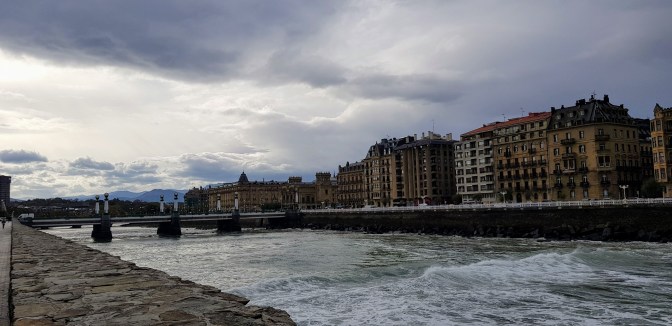


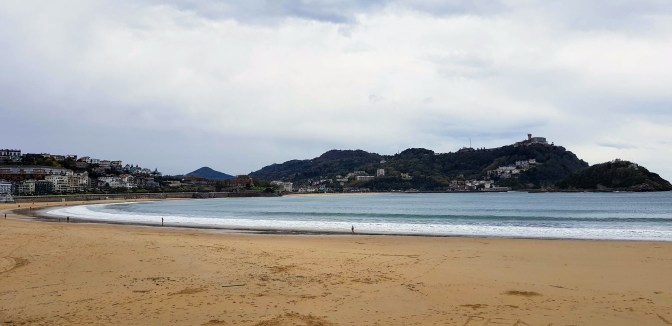
Pintxos!
While San Sebastian is home to a number of Michelin star restaurants, the main attraction for us (for its uniqueness more than anything) was exploring the city’s Pintxo bars. Most of these standing-only outlets have ready-made Pintxos stacked on a counter. You pick what you want, eat and then pay on your way out. The sheer density of these bars in the city makes it ideal for ‘Pintxo bar crawling’ (think of this as a pub crawl but for food instead) where you hop in and out of various bars, grab a Pintxo (and/or a glass of wine if you like) and move on to the next place. One of the most useful things we received from a hotel was a map of 33 Pintxo bars across San Sebastian with recommendations for which specific Pinxto to order in each bar (in both English and Spanish). This turned out to be a life saver as – 1. the number of Pinxto bars in mind bogglingly huge and 2. even if you find a good bar, it’s impossible to know what to order as some of the best dishes aren’t the ones on the counter but the ones that needed to be prepared by the kitchen.
Pintxo Bar Hopping!
From a Pintxo bar perspective, San Sebastian is divided into 3 distinct areas – Por La Parte Vieja (the old town), Centro and Gros. With Nadiya sleeping at 1800-1830 each night, we essentially had 4 afternoons in which to complete the Pintxos on our list. We were in San Sebastian in early November – so there were a few places that were closed for ‘holidays’. The odd timing also meant that most of the people we ran into at the bars were locals who seemed to really enjoy their food. Our strategy to maximize our time in San Sebastian meant that we would tackle one area each day with the fourth day reserved for ‘greatest hits’. Ajay would go into the bar, order the recommended dishes while Nisha would stroll Nadiya around (most of these bars had standing space outside – so that made it easy). To optimize the wait, Ajay would occasionally proceed to the next bar to place an order while food was getting ready in the first bar. Nadiya had ‘re-discovered’ how to sleep in the stroller so she would just take her naps in there when the time came. It was almost like everything that we had done on this trip was prep to enable our 4 day Pintxo bar hopping!


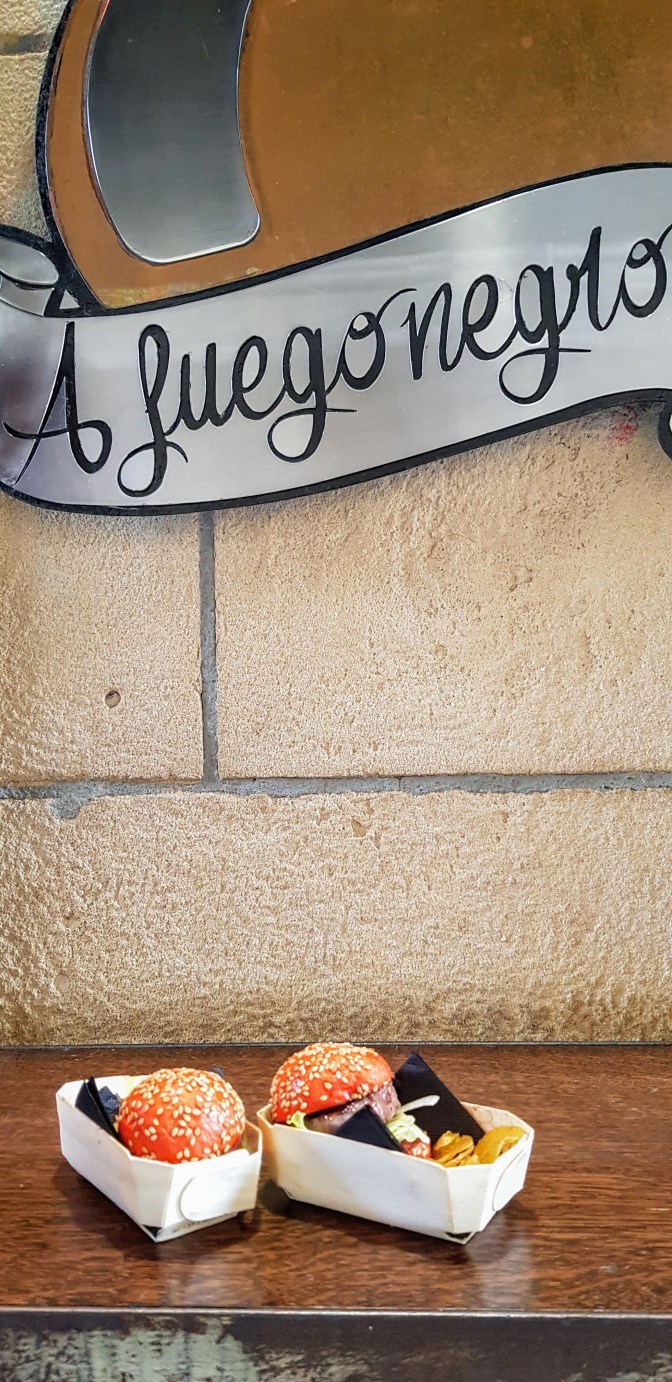


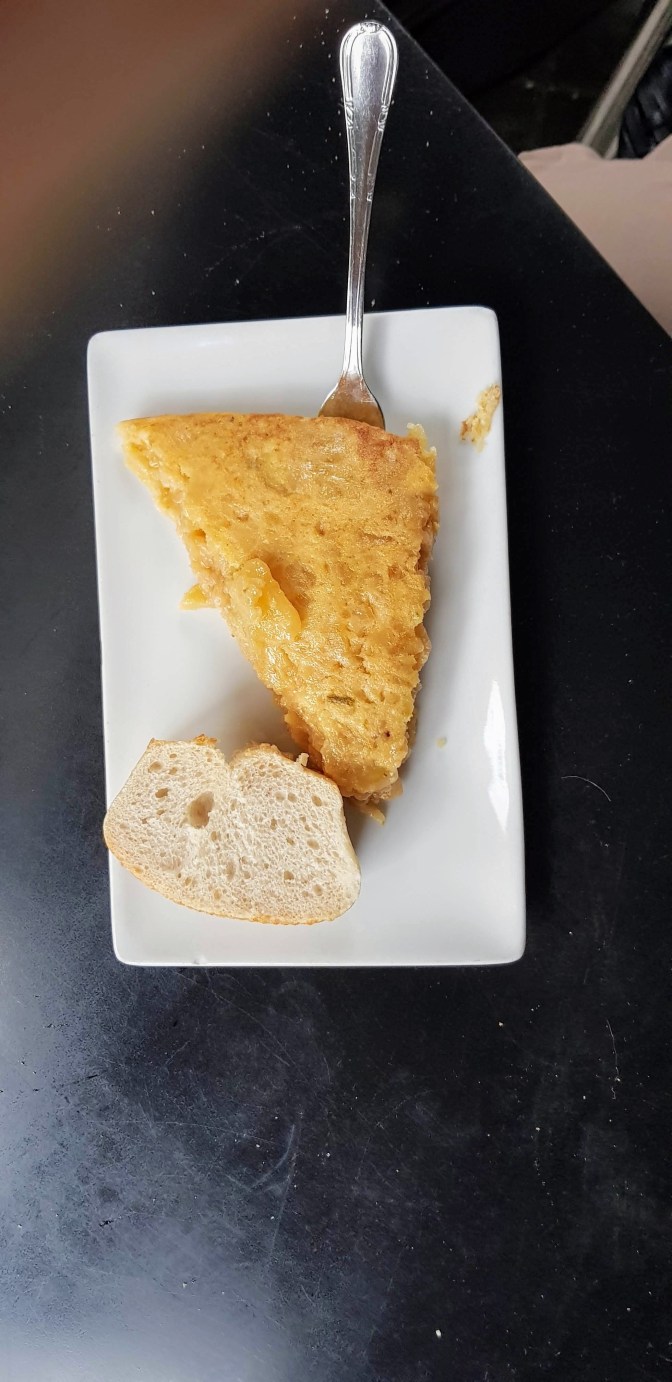


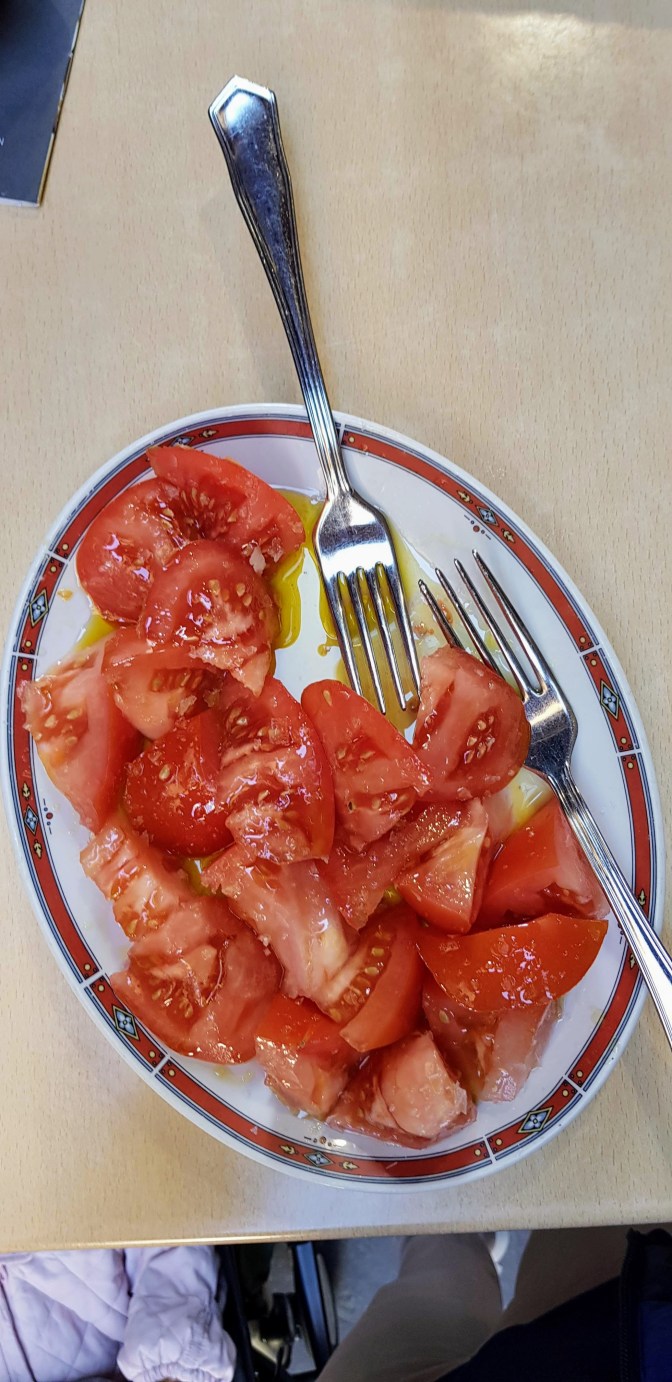

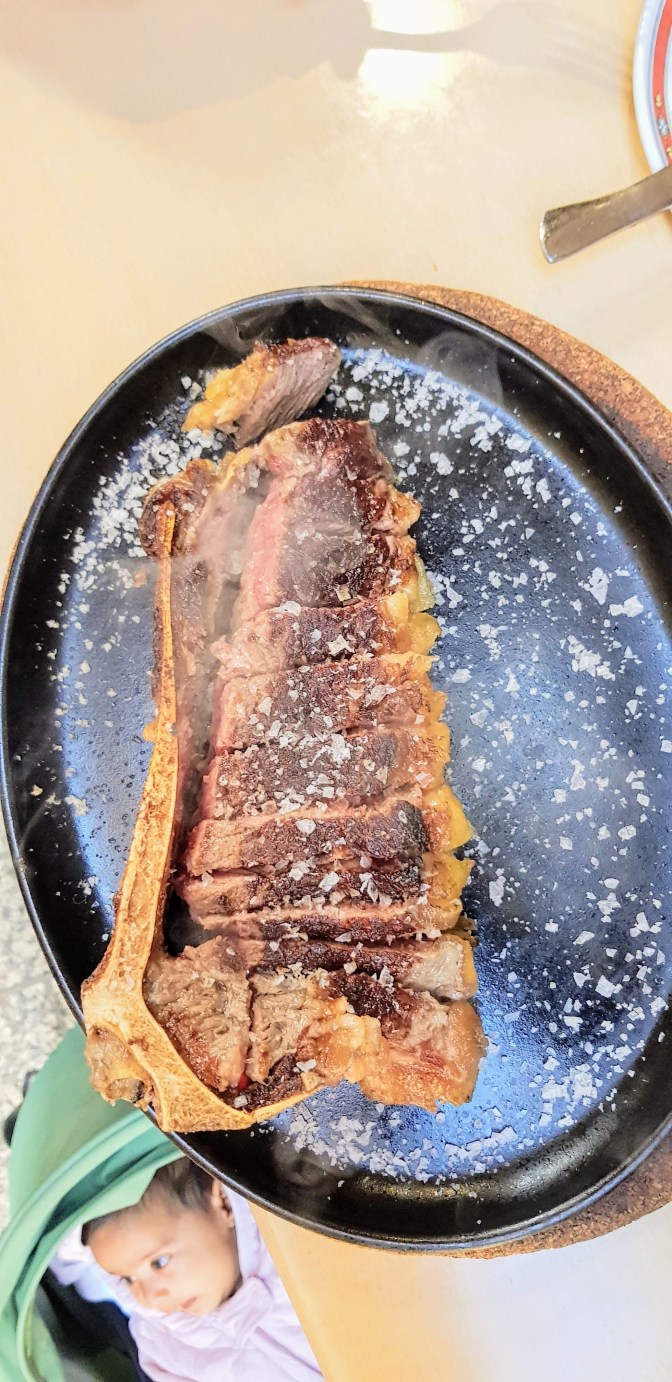


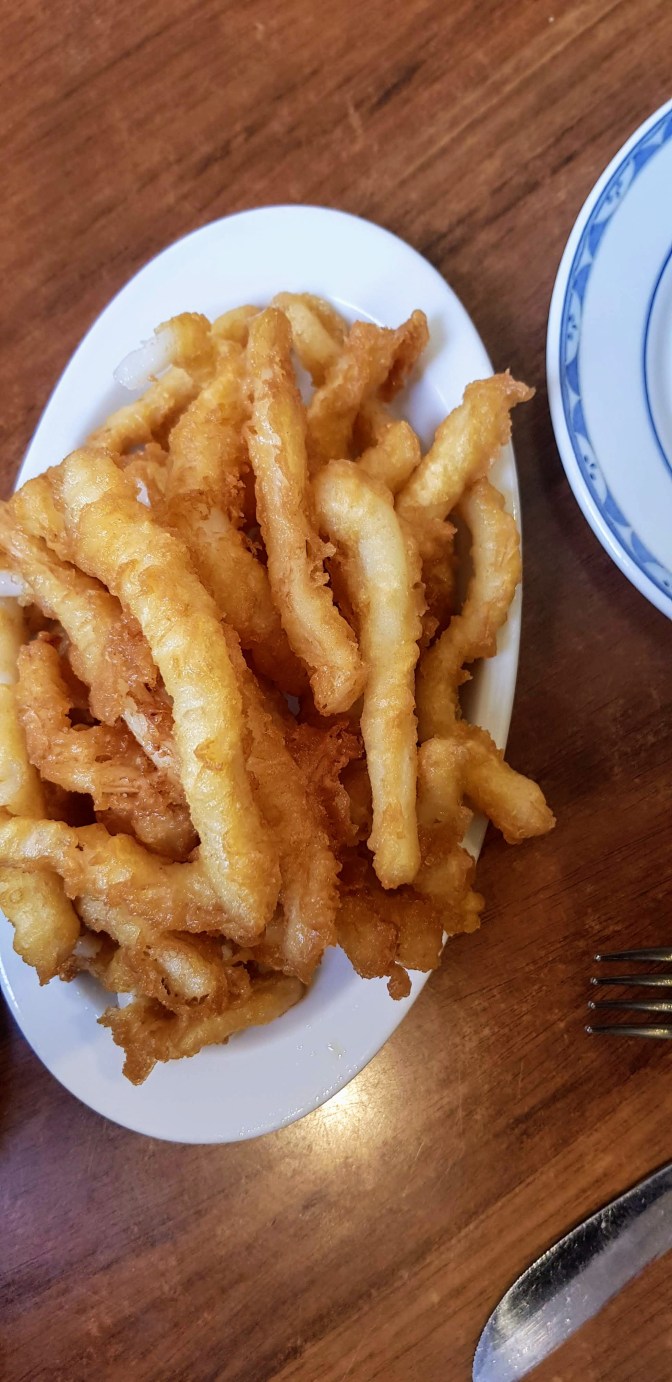
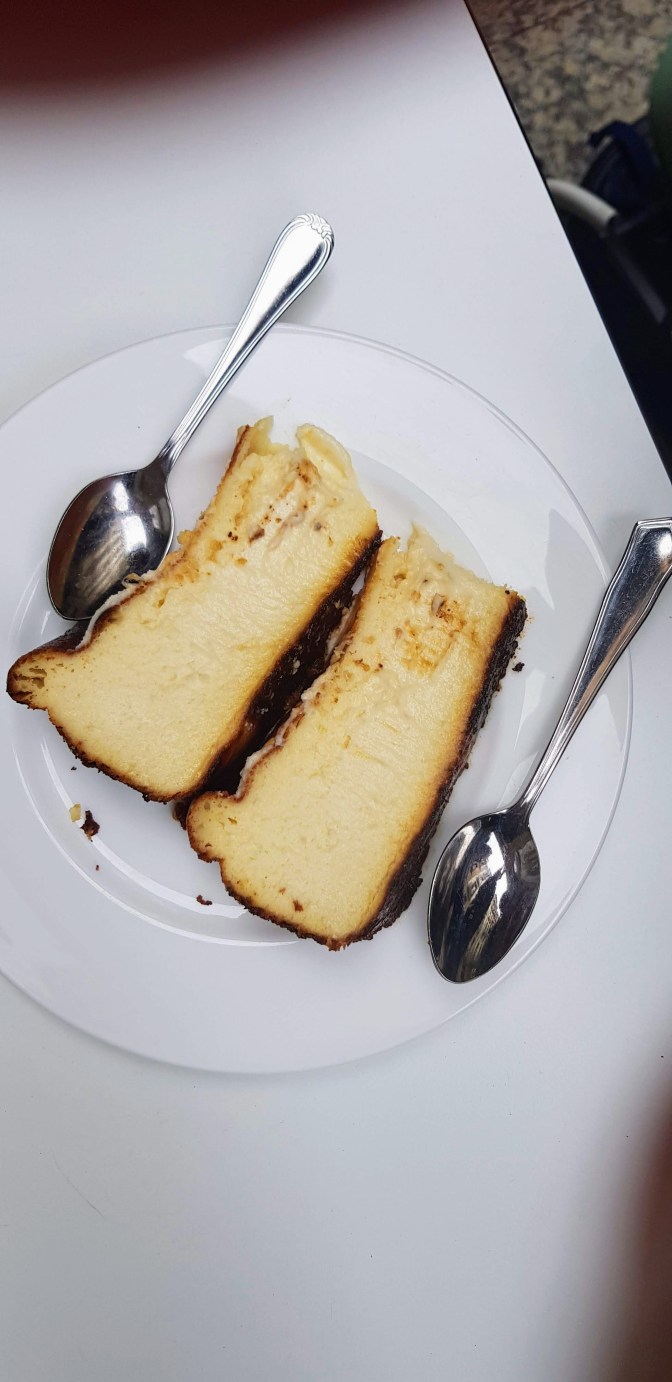


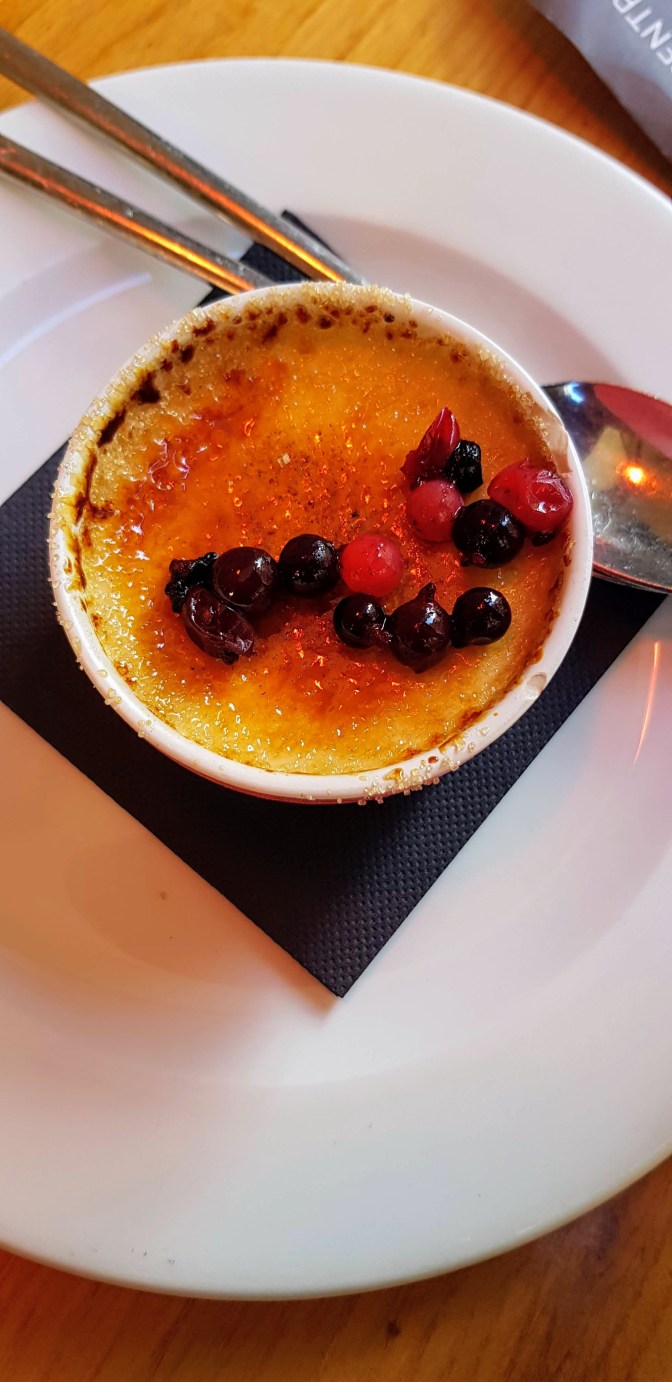
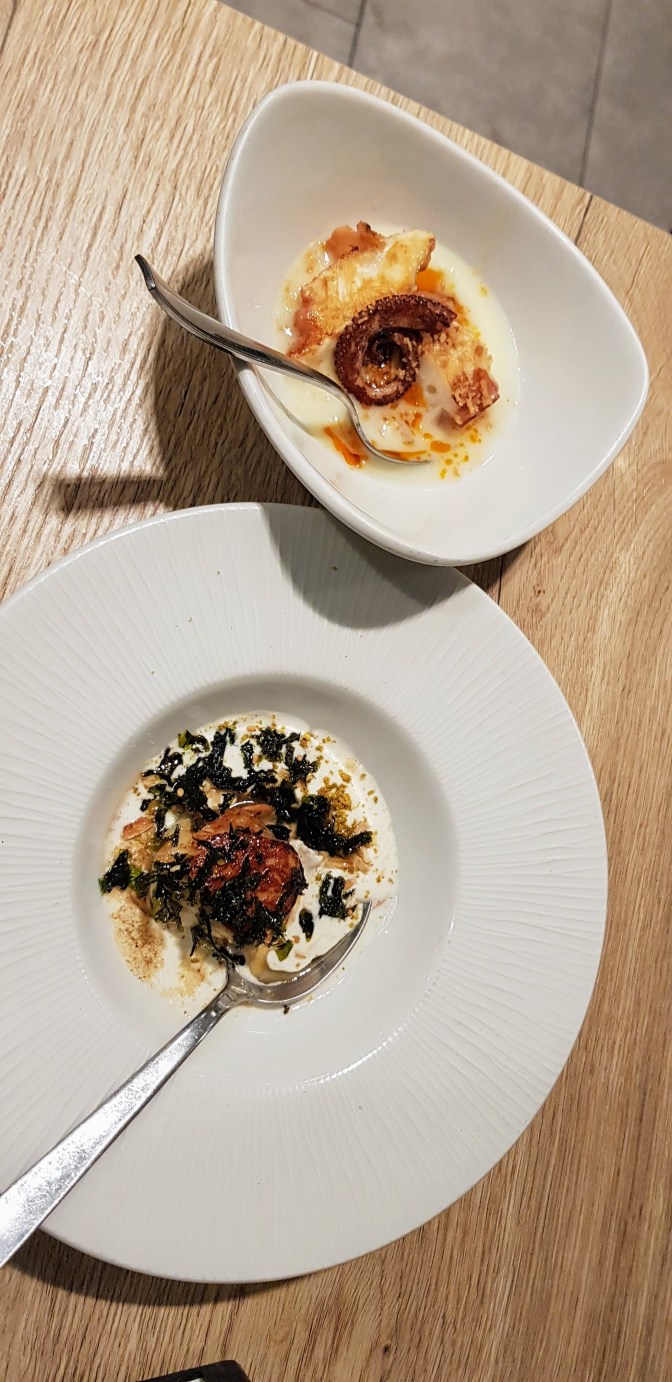
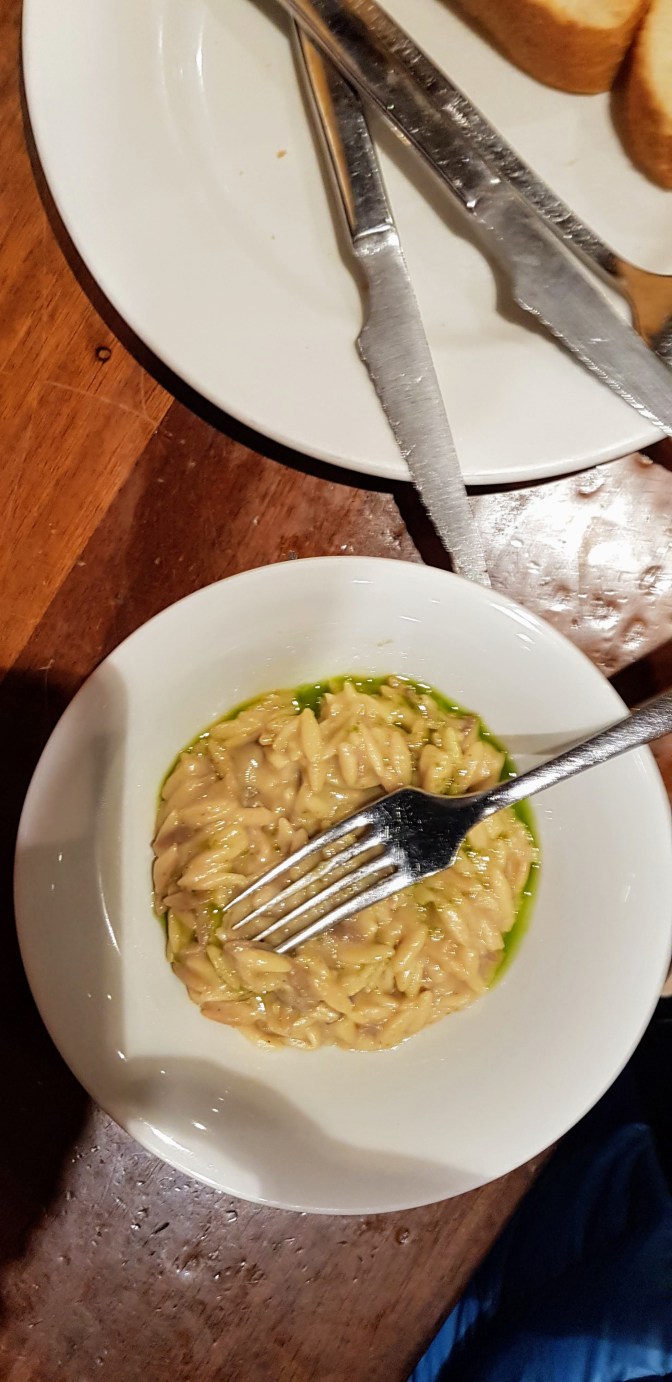
Our top 10 Pintxos in San Sebastian
- La Cuchara De San Telmo for the Foie con compota de manzana/ Foie with apple sauce
- La Vina for the Tarte de Queso/Cheese cake
- A Fuego Negro for the mini burgers
- Atari for the Merluza/Hake
- Sirimiri for the Secreto Iberico
- Nestor for the Chuletas/Tomates and Pimentos
- Ganbara for the Setas/Musrooms
- Paco Buenco for the Gambas
- Antonio for Pintxo de Anchoa
- Cape Kursaal for the Pork Taco
Overall thoughts
If at the start of this trip you had told us that we would be able to a. get to San Sebastian and b. visit so many great Pintxo bars, we would have thought you were joking. To have been there, with a baby and still done so much is something that we take great pride in. The food and the city definitely lived up to its reputation. San Sebastian now occupies the top spot in our books from a foodie perspective (narrowly edging out Copenhagen mostly because of how easy/accessible the food is). We can’t wait for Nadiya to grow up so that she can join us in eating some of the wonderful cuisine that the city has to offer.
Visa
Spain, like Portugal, Greece and Poland, is a part of the Schengen region. So our Schengen visas served the purpose for Portugal as well.
We2ours1 Tour Overall Stats
Total # of Countries: 8 (Spain, Portugal, Greece, Poland, Ukraine, Sri Lanka, UAE, Oman)
Total air miles: 8,690 (6 flights)
Total distance driven: 2,403 KM (driving in Sri Lanka, UAE, Oman, Greece and Portugal)
Total train distance: 2,491 KM (8 trains)
Total ferry distance: 136 nautical miles (2 ferries)
Total bus distance: 178 KM (1 bus)
Total nights: 50
Nadiya’s age at the end of this leg: 16 weeks, 3 days

 Around the world with a baby